
Speed Baccarat Banker Bet: Faster Hands, Clear Edge
When a venue wants pace without losing the maths, speed baccarat banker bet becomes the obvious pivot. The rhythm changes, the commission stays, and the decision space shrinks. That matters on mobile screens where every tap competes with notifications and half-finished coffees. We built this read for adults 18+ who want the mechanics laid out plainly, not dressed up as a miracle.
That tighter loop rewards players who track the commission drag over a longer run. You can review the full breakdown of the game’s edge at baccarat casino sign up offer. The faster tempo simply amplifies whatever structural advantage the house already holds.
How the faster rhythm reshapes the banker edge
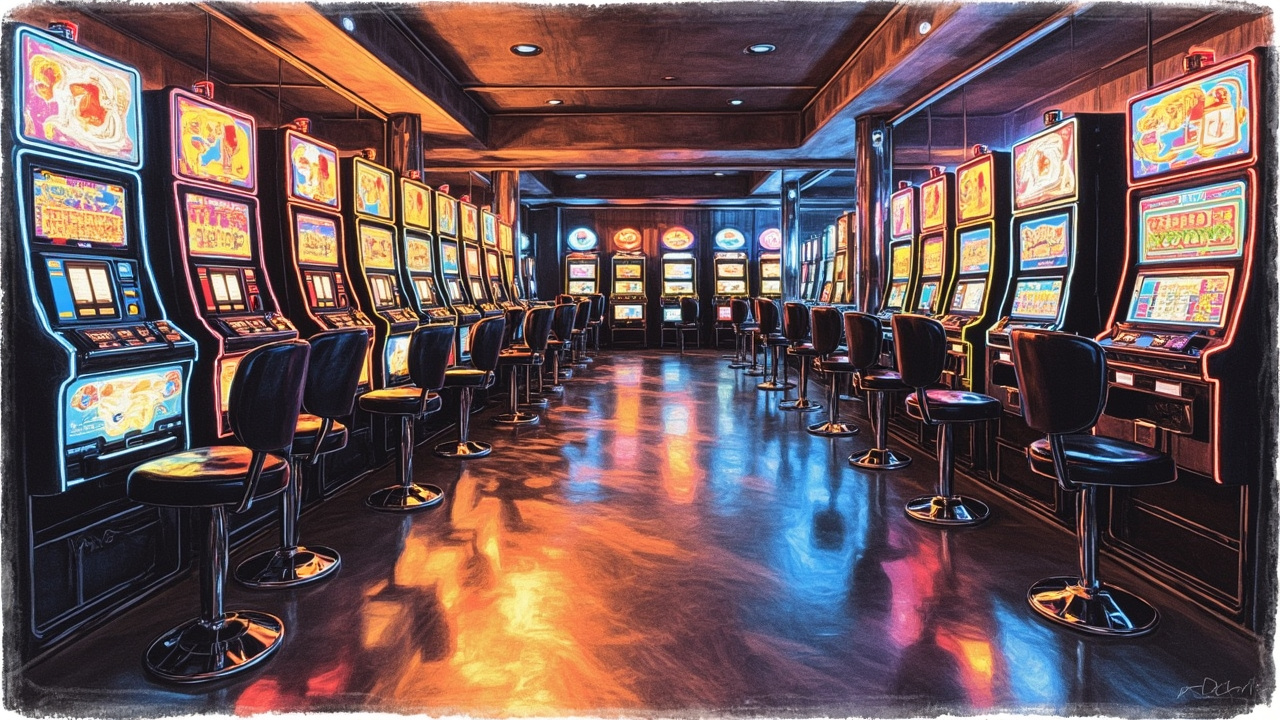
Speed baccarat compresses the deal cycle so the banker bet resolves in a tighter loop, which shifts attention from spectacle to sequence. The house edge on the banker side remains anchored by the standard commission, so the appeal is not a hidden payout trick but a different use of time. From a design perspective, I treat the accelerated cadence like a reel-strip refresh rate: if the loop is too long, players drift into narrative thinking; if it is too short, the eye never settles on the pattern. The sweet spot keeps the bet legible while removing the dead air between hands.
Casino dice are transparent so tampering (like hidden weights) is easier to detect, and that same logic of visible mechanics applies here: the rules, the commission, and the shuffle cadence should all be readable at a glance. On a phone, that readability depends on how the table renders under load, not on how glossy the lobby looks.
What the banker bet actually costs and where the pace helps
Commission, probability, and the real cost per hand
The banker bet carries a commission that trims the payout, which is why the probability edge sits just under the tie side and well above a naive even-money read. In practice, the faster deal speed does not rewrite that edge; it simply increases the number of resolved hands per hour. That means bankroll variance arrives more quickly, for better or worse, and the player who treats each hand as an independent event will see the maths compound faster. I have watched sessions where the pace felt exciting until the commission drag showed up as a slow bleed, so the bet is best read as a steady, slightly favoured proposition rather than a momentum play.
Mobile fit, tap targets, and table readability
A mobile-first build needs more than a shrunk desktop table. Tap targets must sit clear of the fold, the card layout must stay legible in portrait, and the bet controls should not jump when the keyboard or a payment modal slides in. Responsiveness here is not a polish item; it is the difference between placing a banker bet in two taps or hunting for the right zone while the next hand already deals. When the table responds cleanly, the faster rhythm feels controlled. When it lags, the speed becomes friction, and players start missing the window they meant to take.
Pacing, limits, and session discipline
Speed changes how limits feel in use. A table with sensible min and max stakes keeps the banker bet accessible without turning a short session into a sprint, and clear table rules let players pace themselves around the deal cadence rather than against it. I usually advise treating the faster loop as a reason to set a firm stop, not as permission to chase the next resolution. The rhythm is there to make the bet legible and efficient; it is not there to blur the line between a measured session and a long one that ran on autopilot.
Who the banker bet suits on a phone
The banker side tends to suit players who care more about a slightly favoured proposition and a clean interface than about watching a slow tableau build. If you are on a phone in the arvo with ten minutes between appointments, the faster cadence can fit a short, disciplined session better than a drawn-out table where attention drifts. If you prefer the slower rhythm that lets you read the shoe and settle into a pattern, the speed version may feel too compressed. Either preference is valid; the point is that the bet is a different tool, not a universal upgrade.
Cameron Hall, Responsible Gambling Adviser, Harbour Bet Insights, put it plainly: “Faster hands do not change the edge, but they do change how quickly a session can run away from a player who has not set a limit first.” Ella Carter, Senior Market Analyst, Southern Star Esports, noted that “mobile table performance matters more than lobby flash when the bet is this simple, because a laggy deal breaks the rhythm that royalreelscom-casino.net speed baccarat is supposed to give you.”

If you are weighing a welcome incentive against the real cost of play, it pays to read the offer terms before you treat the bonus as part of the maths. A short read on how to evaluate a baccarat casino sign up offer can help separate a useful match from one that quietly tightens the conditions you actually care about.
For players who want a no-deposit entry point to test the rhythm without committing funds first, a small run-through can show whether the pace suits your style before any real money is in motion, and https://run4winnodeposit.com/ is one place to check what is available.
The banker bet in speed baccarat is best treated as a cleaner, quicker read on a slightly favoured side, with the commission and the mobile build doing most of the real work. Pace it, read the table, and keep the session short enough that the maths stays visible.